
Building a Scalable Bike Sharing Platform (500K Users)
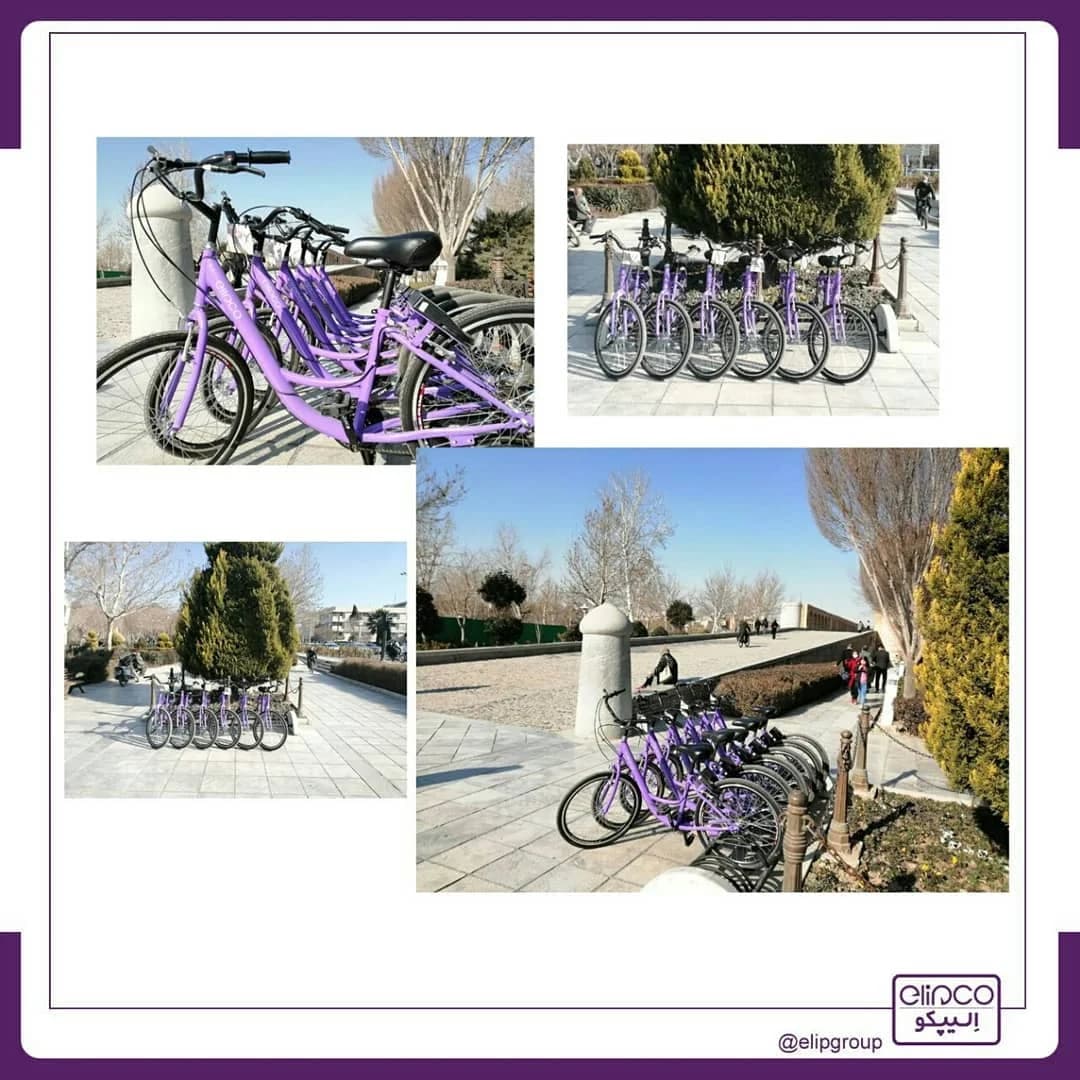
Designed and built a full-stack dockless bike-sharing platform, enabling over 500,000 users to rent bikes anywhere in the city.
Led architecture and product decisions across mobile, backend, and IoT systems, delivering a scalable, real-time platform with payment, geofencing, and smart lock integration.
🟡 Problem & Constraints
When I joined, the system was:
Station-based (no free-floating)
No customer-facing app
IoT locks unreliable and dependent on SMS-triggered heartbeats
High risk of theft and misuse
Payment infrastructure constrained to local providers
👉 The goal was to transform this into a real-time, city-scale mobility platform.
System Architecture for Real-Time IoT Platform
1. Real-time Communication (REST → WebSocket)
❌ REST required SMS-triggered wake-ups → unreliable & expensive
✅ Switched to WebSocket for persistent connection
Trade-off:
Real-time control & monitoring
Increased infra complexity & connection management
2. Unlock Latency Optimization
Initial unlock latency: ~1800ms (network dependent)
Problem: noticeable delay in user experience
Solution:
Introduced Bluetooth fallback for local unlock
Impact:
Reduced perceived latency significantly
Improved reliability in poor network conditions
3. Wallet as a Microservice
Built wallet as a separate service early
Trade-off:
Higher initial complexity
Enabled future scalability (super-app readiness)
4. Prepaid (Pay-as-you-go) Model
Users must charge wallet before ride
Trade-off:
Reduced fraud risk
− Added friction to onboarding
5. Cross-platform Strategy
Android → React Native
iOS → PWA
Reason:
Faster time-to-market under limited resources
WebSocket vs REST in IoT Systems
🟣 System Design Overview
Backend: Laravel + MySQL
API Layer: REST + WebSocket
IoT: SIM-enabled locks with solar charging
Geo-fencing: OpenStreetMap (point-in-polygon)
Flow:
User → API → WebSocket → Lock
Lock → WebSocket → Backend (location, status, battery)
🟠 Key Challenges
IoT Reliability
Locks previously required SMS to re-establish connection
Caused delays and operational overhead
👉 Solved by moving to persistent WebSocket connections
Identity Verification at Scale
Manual verification was not scalable
Solution:
OpenCV-based automation (~90% coverage)
Government API for validation
DevOps Scaling (Pet → Cattle problem)
Early infra treated servers as “pets”
Scaling caused instability and operational overhead
👉 Required shift toward more automated and reproducible infrastructure
🔴 Impact
500,000+ users within ~1 year
Peak: 800+ rides/day
System downtime: ~3%
90% automated identity verification
Significant reduction in IoT communication delays
⚫ My Role
Led a 5-person engineering team (4 backend + myself)
Owned:
System architecture
Product decisions
IoT integration strategy
Coordinated with remote IoT team (China)